
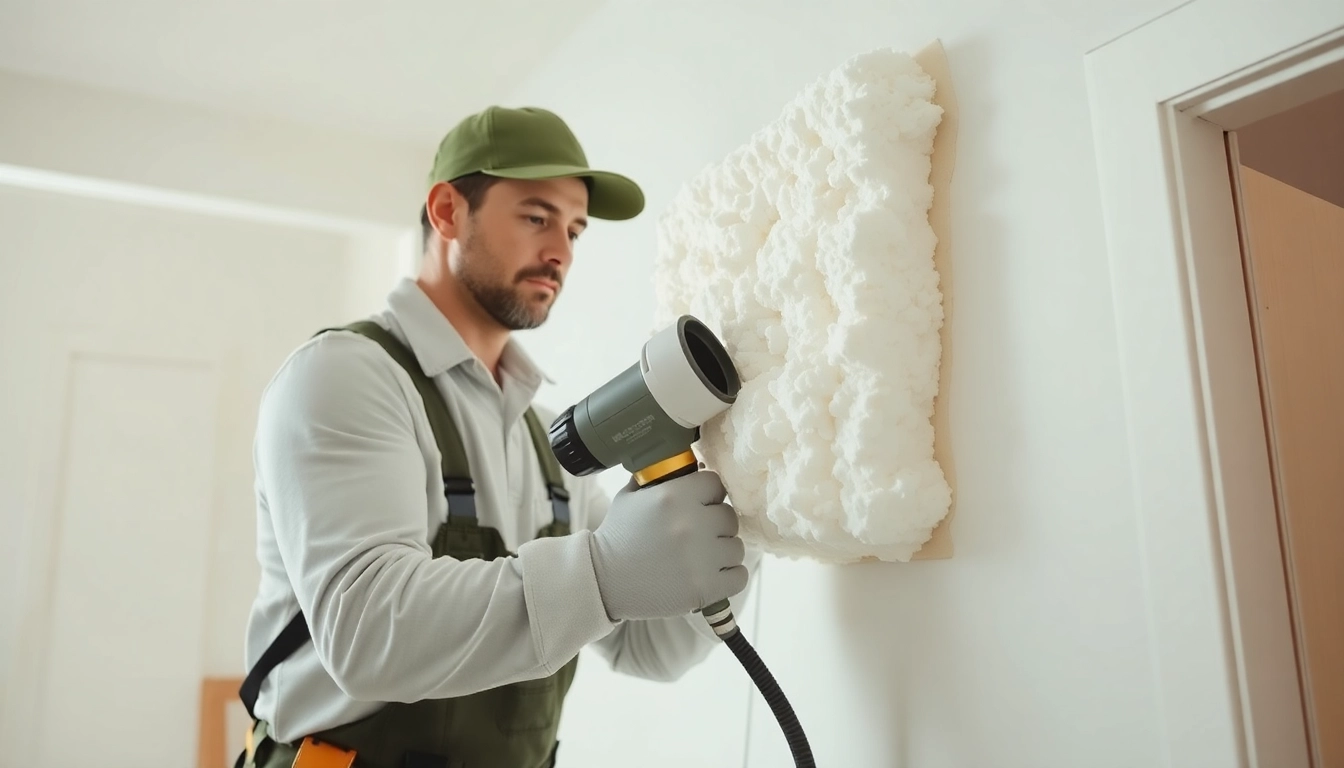
The Importance of Spray Foam Removal
Spray foam insulation is a popular method for improving energy efficiency within homes and commercial buildings. However, as beneficial as spray foam can be, there are instances when removal becomes necessary. This article explores the significance of spray foam removal, diving into its intricacies and providing essential insights into the removal process, costs, and benefits of professional intervention. If you’re searching for spray foam removal near Chichester, understanding these factors can help you make an informed decision.
Understanding Spray Foam Insulation
Spray foam insulation comprises two primary components: isocyanate and polyol resin. When combined, they create a substance that expands rapidly, filling gaps and providing thermal insulation. This method seals windows, doors, and other crevices, making it an effective barrier against air infiltration. However, while spray foam insulation can enhance energy efficiency, it also presents issues if not applied correctly or if the underlying building conditions change.
Why Remove Spray Foam?
The necessity for spray foam removal may arise from various reasons. One primary reason is the deterioration of the material over time. UV exposure, moisture infiltration, or physical damage can significantly compromise the foam’s integrity, leading to reduced performance. Additionally, if improper installation occurs, it may trap moisture or create air pockets, leading to issues like mold growth or structural damage.
Other reasons for removal include the need for renovations, upgrades in insulation technology, or changes to building codes. As energy efficiency standards evolve, older spray foam might no longer comply with new regulations, prompting necessary removal and replacement.
Common Issues with Spray Foam
Several issues can arise with spray foam insulation that may warrant its removal:
- Moisture Retention: Improper application can lead to moisture accumulation, creating conducive environments for mold and mildew.
- Mold Growth: Trapped moisture can trigger serious health issues and damage your property.
- Off-Gassing: Some spray foams can emit volatile organic compounds (VOCs) long after installation.
- Improper Installation: Poor application can lead to ineffective insulation, resulting in increased energy bills.
- Degradation Over Time: Exposure to UV rays can cause foam to harden, crack, or disintegrate.
Methods for Spray Foam Removal
When it comes to spray foam removal, there are various methods, primarily divided into mechanical and chemical techniques. Each has its unique process and application considerations.
Mechanical Removal Techniques
Mechanical removal is a direct approach that involves physical tools and equipment. It typically includes cutting, grinding, or scraping the foam away from the underlying surface. Common mechanical techniques include:
- Scraping: Using specialized knives or scrapers, workers can peel away layers of foam gently.
- Grinding: Industrial grinders can effectively remove layers of stubborn spray foam but should be operated carefully to avoid damage to the substrate beneath.
- Vacuum Removal: Some services utilize vacuum systems that can simultaneously remove the foam while minimizing debris spread.
While mechanical methods may be ideal in certain scenarios, they require experienced professionals to avoid damage to the building structures underneath.
Chemical Solvents Overview
Chemical solvents can effectively dissolve spray foam, making it easier to remove without damaging surfaces. Chemical removers are available for various types of spray foam, ranging from environmentally friendly options to more industrial-strength solutions. These products work by breaking down the chemical bonds of the foam, allowing it to be scraped or wiped away. However, it’s crucial to use these chemicals safely and adhere to all recommended guidelines to protect health and safety.
Safety Precautions During Removal
Removing spray foam requires strict safety precautions to protect both workers and occupants. Here are critical safety measures to consider:
- Protective Gear: Always wear gloves, goggles, and suitable respiratory equipment.
- Ventilation: Ensure proper ventilation in the area to mitigate exposure to harmful fumes.
- Disposal: Follow local regulations for disposing of removed foam, as it may classify as hazardous waste.
- Area Security: Ensure the work area is secured to prevent accidents or unauthorized access.
- Professional Guidance: When in doubt, consult with professionals who possess the necessary training and experience.
Choosing the Right Professionals
Choosing the right professionals for spray foam removal is crucial for ensuring a successful and safe process. There are several factors to consider.
Qualities of a Reliable Contractor
When selecting a contractor for spray foam removal, look for the following qualities:
- Experience: Choose contractors with a proven track record in spray foam removal.
- Certification: Verify that they possess relevant certifications to handle hazardous materials safely.
- References: Ask for references or reviews from past clients to gauge satisfaction levels.
- Insurance: Ensure they have adequate liability insurance to cover any potential damages during the process.
- Clear Communication: Opt for professionals who explain the process, timelines, and costs transparently.
Cost Considerations for Removal
The cost of spray foam removal can vary significantly based on several factors:
- Size of the Area: Larger areas obviously will incur higher costs due to more time and labor required.
- Foam Condition: Hard or damaged foam may require intensive removal efforts.
- Access Difficulty: Hard-to-reach areas may necessitate specialized equipment.
- Local Labor Rates: Prices can fluctuate based on geographical location and demand for services.
- Type of Removal Method: Mechanical methods may be more cost-effective than chemical options, which could require purchasing specialized products.
Generally, costs range from £500 to £2000, but obtaining multiple quotes can help find the best deal.
Questions to Ask Your Contractor
Before finalizing your decision, consider asking the following questions:
- What is your experience level in spray foam removal?
- What methods do you use, and why do you prefer them?
- Can you provide a detailed estimate and breakdown of costs?
- How do you ensure safety for both workers and occupants?
- What is the estimated timeline for the removal process?
Benefits of Professional Spray Foam Removal
Engaging professionals for spray foam removal carries several benefits that ensure effective and safe outcomes.
Ensuring Quality and Safety
Professional contractors possess the tools, training, and experience to include safety measures directly in their removal strategies, minimizing risks for workers and homeowners alike. Quality materials and techniques also ensure that the job is performed correctly, protecting the structure underneath. Professionals can also quickly address unforeseen issues during removal, optimizing the process.
Preserving Home Value
Properly removing and replacing failing insulation can preserve the structural integrity and value of your home. Poorly executed spray foam removal can lead to further issues, rendering the property vulnerable to moisture and mold problems. Professional removal helps prevent such complications, maintaining the home’s overall value.
Preventing Future Problems
Professionals are adept at identifying and addressing underlying issues that require attention beyond mere removal. By taking the time to remediate additional problems or suggest suitable replacements, they help avert future complications that less experienced individuals may overlook.
FAQs about Spray Foam Removal Near Chichester
What are the signs I need spray foam removal?
Common signs include water damage, mold growth, or improper installation that affects insulation effectiveness.
How long does spray foam removal take?
The duration depends on the area being treated and its complexity. It can range from a few hours to several days.
Can I remove spray foam myself?
While DIY is possible, it’s often not recommended due to potential safety hazards and the need for specialized tools.
What are the costs associated with spray foam removal?
Costs vary significantly based on job size, complexity, and local labor rates, typically ranging from £500-£2000.
Is spray foam removal safe for my home?
Yes, when performed by professionals following safety protocols, it minimizes risks to your home and health.


More Stories
Enhancing Your Space with a Wet Room Shower: Style and Functionality Combined
Fixing Your Shower Not Working: Common Problems and Solutions
Transform Your Space with Stylish LVP Flooring Near Me