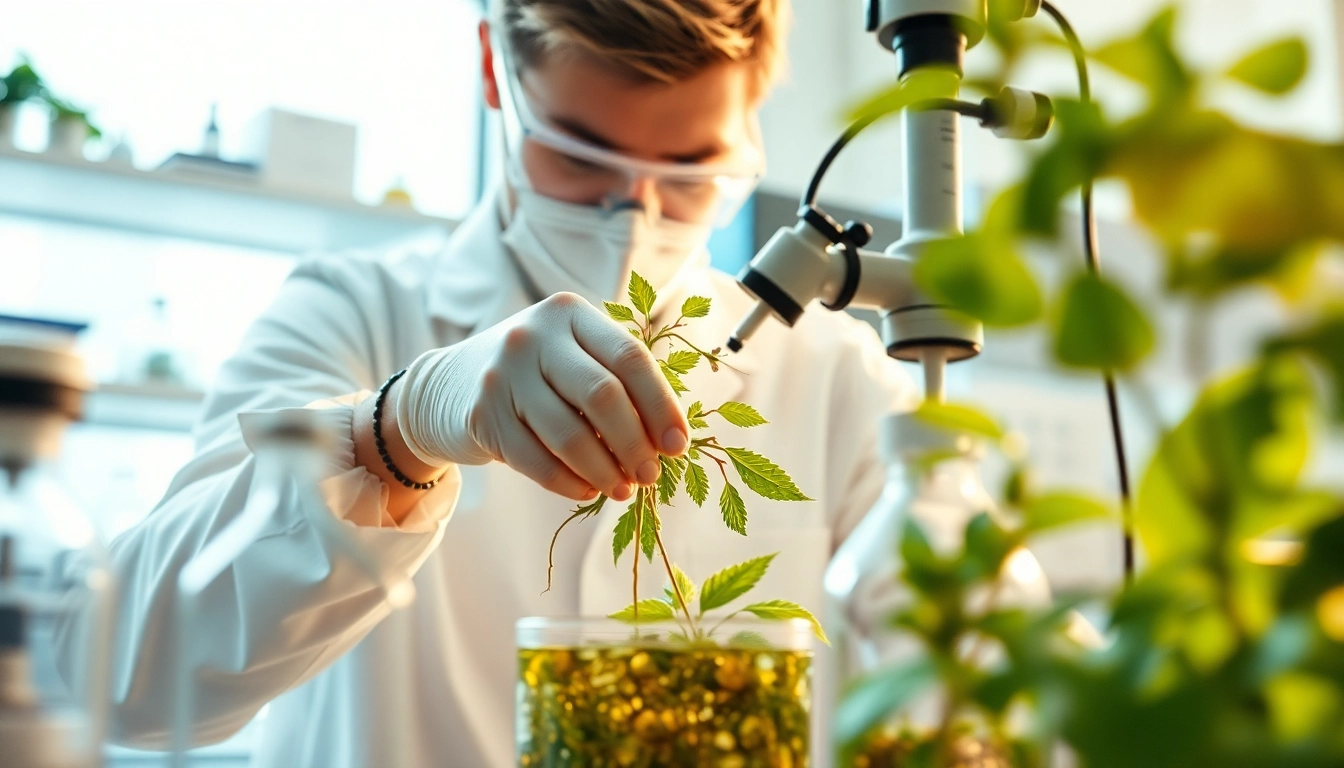
Understanding DMT: What You Need to Know
Dimethyltryptamine (DMT) is a powerful hallucinogenic compound that naturally occurs in various plants and can also be synthesized artificially. Often referred to as the "spirit molecule," DMT is renowned for its intense and immersive experiences that can profoundly affect consciousness. In learning how to get dmt, it is crucial to understand its origins, effects, and the legal landscape surrounding it.
What is DMT?
DMT is a short-acting psychedelic substance belonging to the tryptamine family. Psychologically, it induces altered states of consciousness, hallucinations, and a profound sense of spiritual connectivity. Its chemical structure closely resembles that of serotonin, a neurotransmitter associated with mood and perception. DMT can occur in two forms: as a freebase or as a salt, both of which can exert different effects on the body.
Natural Sources of DMT
DMT exists in many plants, particularly those used in traditional shamanic practices. Notable sources include:
- Mimosa hostilis: This plant’s root bark is a popular source of DMT, owing to its high concentration of the compound.
- Psychotria viridis: A primary component in ayahuasca brews, this shrub naturally produces DMT in its leaves.
- Diplopterys cabrerana: Like P. viridis, this plant is also used in the preparation of ayahuasca.
Each plant offers a unique profile of effects, with the extraction and consumption methods often determining the overall experience.
The Legal Status of DMT
The legal landscape regarding DMT varies widely across different jurisdictions. In many places, it is classified as a Schedule I controlled substance, making its manufacture, sale, or possession illegal. However, certain religious practices that involve the consumption of ayahuasca may have legal protections due to their cultural significance. Understanding the local laws governing the use and distribution of DMT is essential to avoid legal repercussions.
How to Get DMT: Natural Extraction Methods
Extracting DMT from natural sources often requires knowledge of specific chemical processes and safety protocols. This section elaborates on the plants used and the techniques employed in extraction.
Common Plants Used for DMT
As previously mentioned, the most common plants are:
- Mimosa hostilis: Frequently used for its high DMT content.
- Psychotria viridis: Often combined with harmala alkaloids in ayahuasca for an extended experience.
- Acacia species: Certain Acacia trees possess DMT in their bark and leaves.
Identifying the right plants is the first step in the extraction process. Researching their growing conditions, availability, and traditional uses can also provide crucial insights.
Extraction Processes Explained
Extraction processes involve chemical reactions that separate DMT from plant material. Common methods include:
- Acid-Base Extraction: This popular method uses acidic solutions followed by a basic solution to extract alkaloids like DMT.
- Cold Water Extraction: Utilizing cold water to dissolve soluble components while leaving DMT in a more concentrated form.
- Solvent Extraction: Involves using organic solvents to isolate and purify DMT, requiring careful handling due to toxicity.
Each method has its advantages and disadvantages, including safety concerns and yield efficacy, hence selecting a legitimate approach is vital.
Safety Considerations in Extraction
Safety should always be a priority when considering DMT extraction. Key safety tips include:
- Working in a well-ventilated area to avoid inhaling fumes from solvents.
- Utilizing personal protective equipment (PPE) like gloves and goggles when handling chemicals.
- Familiarizing oneself with proper disposal methods for waste material.
Moreover, conducting thorough research into the extraction process and understanding the substances involved can prevent hazardous situations.
Risks and Effects of Using DMT
Understanding the risks associated with DMT use is essential for informed decision-making. While DMT can induce transformative experiences, it can also pose significant risks.
Short-Term Effects
Upon ingestion, effects can begin almost instantly, peaking within 5 to 10 minutes and lasting approximately 20 to 60 minutes. Common short-term effects include:
- Intense visual and auditory hallucinations.
- Altered perception of time and space.
- Feelings of euphoria or anxiety, depending on the individual's mindset.
While many describe positive experiences, the unpredictability of DMT can result in discomfort or fear during the experience, known as a "bad trip."
Long-Term Risks of DMT Use
Though research on long-term effects is limited, potential risks include:
- Psychological disturbances in susceptible individuals, including exacerbation of underlying mental health issues.
- Possible substance dependency, as with any hallucinogen, leading to repeated use in an attempt to recreate experiences.
Understanding these risks is essential to ensuring both physical and mental health during or following DMT use.
Identifying Safe Usage Practices
To mitigate risks, certain practices should be observed when using DMT:
- Always use DMT in a safe, controlled environment to enhance comfort and accessibility to support if needed.
- Consider using guided experiences with an experienced facilitator who can provide support and help navigate challenging experiences.
- Be mindful of dosage; starting with a lower amount can provide meaningful experiences with less risk.
Ultimately, a structured approach to usage can significantly reduce adverse effects and enhance the overall experience.
Preparing for a DMT Experience
Preparation is crucial for a meaningful and secure DMT experience. Here are several strategies to consider.
Setting the Right Environment
A calming, safe environment is vital for any psychedelic experience. Factors to ensure include:
- Comfortable seating or lying arrangements for relaxation.
- Soft lighting or dimmed spaces to prevent overstimulation.
- Removing potential disruptions, such as electronic devices or other individuals.
Creating an ideal setting can promote deeper exploration and facilitate positive experiences.
Mental and Physical Preparations
Before taking DMT, mental and physical conditioning can set the tone for the experience:
- Engaging in mindfulness or meditation can help calm the mind.
- Maintaining a healthy diet and drinking enough water leading up to the experience can enhance overall physical well-being.
Being mentally and physically prepared decreases anxiety and maximizes emotional stability, enabling participants to navigate their journey with ease.
Guided Experiences: The Role of a Facilitator
A facilitator can play a crucial role in enhancing the DMT experience, offering guidance and support throughout the journey. Benefits include:
- Providing a feeling of safety and security during intense moments.
- Helping to integrate experiences afterward by discussing insights or challenges faced during the journey.
Choosing an experienced and trustworthy guide can significantly contribute to a more fulfilling and meaningful experience.
Frequently Asked Questions About DMT
What is the natural version of DMT?
DMT occurs naturally in various plants, including Mimosa hostilis and Psychotria viridis, which are often used in traditional shamanic practices.
Is DMT legal to obtain?
The legal status of DMT varies by country. In many places, it is classified as a controlled substance, making it illegal to buy or sell.
How can DMT affect mental health?
While DMT can induce profound insights, it may also trigger anxiety or exacerbate existing mental health conditions in some individuals.
What should I know before extracting DMT?
Ensure you understand the legal implications and safety precautions necessary for extracting DMT from plants or other sources.
What are common side effects of DMT?
Common side effects may include visual distortions, auditory hallucinations, and fluctuating emotional states, ranging from euphoria to anxiety.