
Understanding the Basics of Sports Broadcasting
Definition and Importance of Sports Broadcasting
Sports broadcasting refers to the method of delivering live or recorded sports events through various media channels such as television, radio, and online platforms. This field of broadcasting serves to entertain audiences while also enhancing their understanding of the game. Sports Broadcasting has become a central element in the sports industry, significantly influencing the experience for fans as well as generating significant revenue for leagues, teams, and media companies.
Key Roles in Sports Broadcasting
The execution of effective sports broadcasting is dependent on a multitude of roles, each crucial to delivering an engaging viewer experience:
- Commentators and Analysts: Providing insights, play-by-play analysis, and emotional engagement during live broadcasts.
- Producers: Overseeing the entire production, they coordinate resources and ensure that the programming aligns with audience expectations.
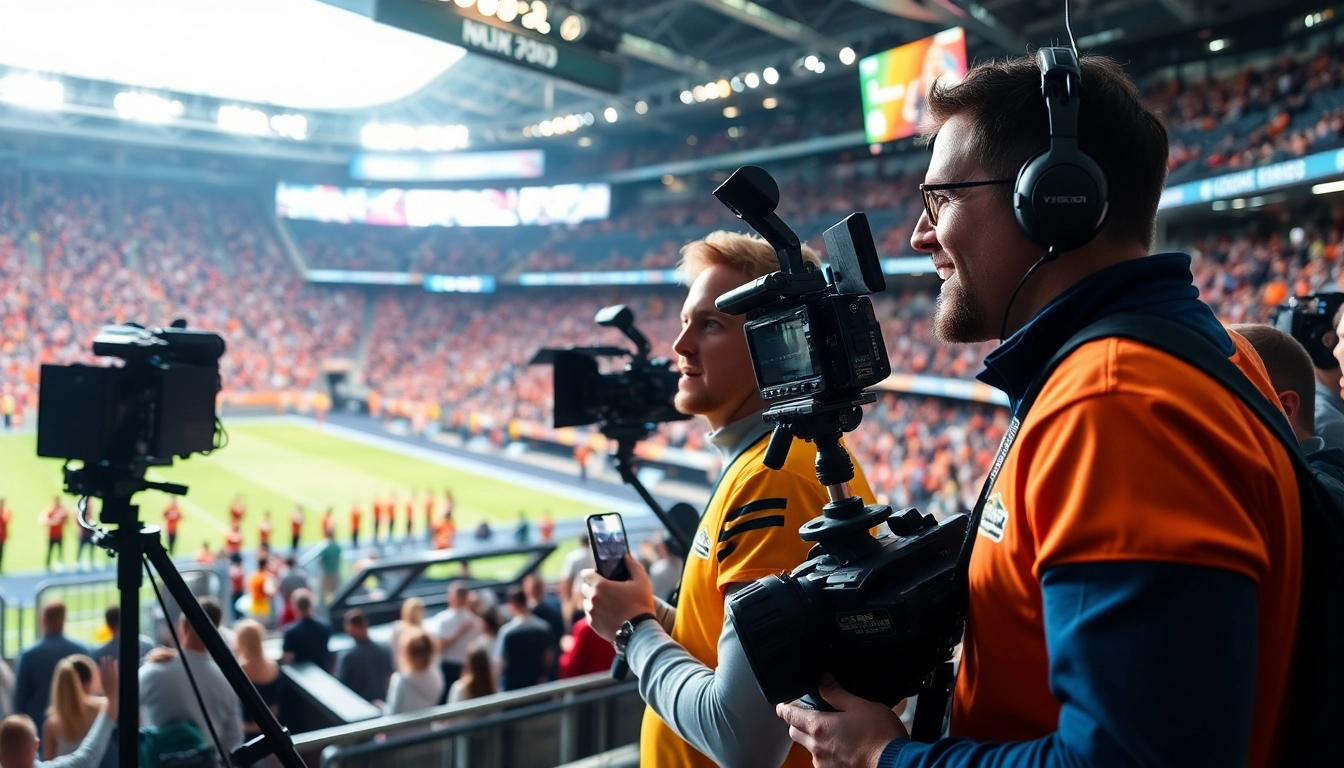
- Camera Operators and Technicians: Responsible for capturing the action from various angles to provide comprehensive coverage.
- Sound Engineers: Ensuring that audio quality is pristine, from the commentary to the ambient sounds of the crowd.
- Social Media Managers: Engaging with audiences online and leveraging social channels to boost viewer interaction.
The Evolution of Sports Broadcasting
Sports broadcasting has undergone a dramatic transformation since its inception. In the early days, broadcasts were limited to radio, where sporting events were narrated mostly through auditory descriptions. The advent of television revolutionized the space, leading to the establishment of dedicated sports networks. The introduction of the internet brought yet another shift, allowing for live streaming and on-demand services, significantly increasing the accessibility and reach of sports content.
Today, the landscape is further evolving with advancements such as 4K broadcasting, virtual reality experiences, and interactive content. These technologies are reshaping how audiences consume sports, making the need for adaptability and innovation in broadcasting practices more essential than ever.
Tools and Technologies in Sports Broadcasting
Essential Equipment for Quality Broadcasting
The technical side of sports broadcasting requires specialized equipment to produce high-quality output. Key tools include:
- Cameras: High-definition and 4K cameras are crucial for capturing detailed visuals, ensuring that no moment is missed.
- Microphones: Wireless and directional microphones guarantee the best sound quality, minimizing background noise while capturing commentary and crowd reactions.
- Switchers: These devices help in managing multiple video sources, allowing producers to control which camera is live at any given moment.
- Broadcasting Software: Streamlining operations, these applications can integrate live feeds, graphics, and other data smoothly into the broadcast.
Software Solutions for Streamlined Operations
In addition to hardware, software solutions play a pivotal role in sports broadcasting. Applications that assist in managing broadcast schedules, controlling video feeds, and providing analytics tools are vital. Integrated solutions such as broadcasting graphics systems help create visually engaging content, while social media management tools can amplify audience engagement in real time.
Emerging Technologies Shaping the Future
With technology advancing at a rapid pace, several innovations are setting the stage for the future of sports broadcasting:
- Virtual Reality (VR): Offering immersive experiences, VR technology enables audiences to feel like they're in the stadium from the comfort of their homes.
- Augmented Reality (AR): Enhancing viewer engagement by overlaying additional information and interactive graphics onto live feeds.
- Machine Learning and AI: Analyzing data to deliver personalized content and suggestions, helping broadcasters understand viewer preferences.
- 5G Technology: Promising higher speeds and connectivity, 5G is set to improve streaming quality and reduce latency during live events.
Best Practices for Effective Sports Broadcasting
Creating Engaging Content for Viewers
To maintain viewer interest, content must be engaging and informative. This can be achieved through:
- High-Quality Commentary: Skilled commentators should balance analysis with excitement, keeping audiences informed while also engaging them emotionally.
- Storytelling: Narratives about players, teams, and moments build emotional connections and enhance viewer investment in outcomes.
- Visual Enhancements: Utilizing graphics to explain plays or highlight statistics can keep audiences visually engaged.
Building a Cohesive Team for Successful Execution
Behind every great broadcast is a well-coordinated team. Key strategies for building such a team include:
- Clear Communication: Establishing protocols to ensure every team member understands their roles and responsibilities.
- Team Training: Regular training sessions to keep crew skills sharp and updated on the latest technologies and techniques.
- Feedback Loops: Creating an environment where team members can provide constructive feedback to enhance performance.
Communicating with Audiences: Tips and Techniques
Effective communication extends beyond the commentary box. Engagement techniques include:
- Interactive Elements: Polls, quizzes, and real-time Q&A segments can keep viewers engaged and invested.
- Social Media Integration: Using platforms to engage with viewers, share highlights, and discuss ongoing events enhances the viewing experience.
- Audience-Centric Approach: Tailoring content based on audience demographics allows for more effective communication.
Navigating Challenges in Sports Broadcasting
Dealing with Technical Difficulties
Technical difficulties are inevitable in broadcasting. To mitigate these, broadcasters should implement:
- Redundancies: Backup equipment like additional cameras, sound systems, and power sources can prevent downtime.
- Pre-Show Checks: A comprehensive checklist before broadcasts to ensure all equipment is functioning properly.
- Quick Response Plans: Establishing rapid response procedures that dictate how to handle various tech issues.
Maintaining Audience Engagement During Downtime
When technical issues arise, keeping the audience engaged is crucial. Strategies include:
- Alternative Content: Utilizing pre-recorded interviews or highlights to fill gaps during downtime.
- Open Communication: Keeping the audience informed about the situation via commentary can help retain viewer loyalty.
- Interactive Segments: Running trivia or audience polls can keep viewers engaged even during interruptions.
Adapting to Rapid Changes in Sports Events
Sports is unpredictable, and broadcasters must be agile. To adapt, they can:
- Flexible Scripts: Preparing commentators with adaptable narratives to account for game developments.
- Real-Time Analytics: Using data to inform on-the-fly decisions about content direction during a game.
- Continuous Training: Regularly training teams on handling unexpected events or crises enhances readiness.
Measuring Success in Sports Broadcasting
Key Metrics for Evaluating Broadcast Performance
Monitoring success involves a variety of metrics, which can include:
- Viewership Numbers: Total audience size provides a fundamental measure of success.
- Engagement Rates: Tracking how long viewers stay tuned or interact with the content.
- Audience Feedback: Collecting qualitative data through surveys or social media engagement can reveal viewers' sentiments.
Feedback Collection and Analysis Strategies
To enhance future broadcasts, it is crucial to collect and analyze audience feedback. Strategies here can include:
- Post-Broadcast Surveys: Conducting surveys immediately after broadcasts to gather fresh insights.
- Social Listening Tools: Utilizing tools to monitor conversations about broadcasts across social media platforms.
- Focus Groups: Engaging with small groups of viewers for in-depth discussion and feedback collection.
Improving Future Broadcasts Based on Data Insights
Once feedback is collected, broadcasters must apply these insights to improve future productions by:
- Data-Driven Decisions: Using analytics to understand what content resonated most and adjusting future broadcasts accordingly.
- Iterative Testing: Trying new formats or features and measuring their effects on viewer engagement.
- Stakeholder Involvement: Involving producers, technical staff, and on-air talent in debriefing sessions to initiate a collaborative improvement process.
Frequently Asked Questions
What is sports broadcasting?
Sports broadcasting involves delivering live or recorded sports events through various media, aimed at entertaining audiences and providing information about the game.
What equipment is essential for sports broadcasting?
Essential equipment includes cameras, microphones, switchers, and broadcasting software to ensure high-quality production and effective communication with audiences.
How can I engage viewers during a broadcast?
Engaging viewers can be achieved through commentary that connects with fans, interactive social media elements, and compelling storytelling to keep the audience invested.
What metrics are important for evaluating broadcast success?
Key metrics include viewership numbers, engagement rates, audience feedback, and social media interactions, allowing broadcasters to assess their performance effectively.
How does technology impact sports broadcasting?
Technology enhances sports broadcasting through improved production quality, advanced analytics, virtual reality experiences, and wider accessibility for diverse audiences.